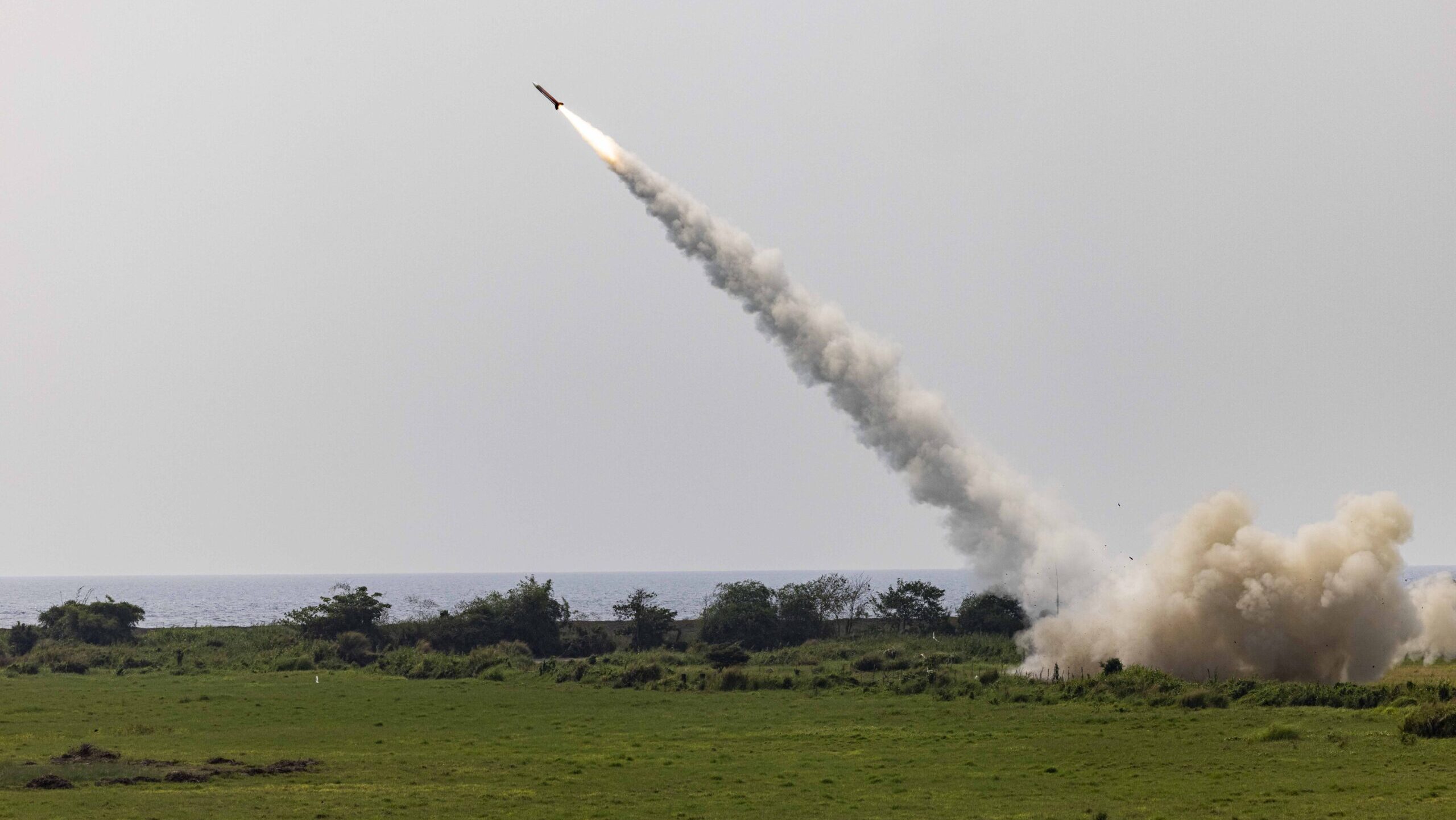
Lockheed seeks European partners for missile production crunch
“There's plenty of work to go around, around the globe, so we're looking for those strategic partnerships to help us complete our mission,” said Lockheed executive Jason Reynolds.
“There's plenty of work to go around, around the globe, so we're looking for those strategic partnerships to help us complete our mission,” said Lockheed executive Jason Reynolds.

"Having a manufacturing complex in Australia will enable production of solid rocket motors for ourselves, firstly and then ultimately, from an export perspective, to our allies and partners around the world. And there is, at the moment, an inability to meet that demand," David Goodrich, Anduril Australia CEO, told Breaking Defense.


Consolidate network monitoring, performance management, and fault isolation into a single, comprehensive solution.

Congress has about a week to pass a stopgap funding bill by the end of Sept. 30, when FY 2024 ends and government money runs out.

Thales Australia, a subsidiary of the French parent, will manufacture rocket motors and warheads for Lockheed Martin’s GMLRS missiles produced in the Lucky Country.
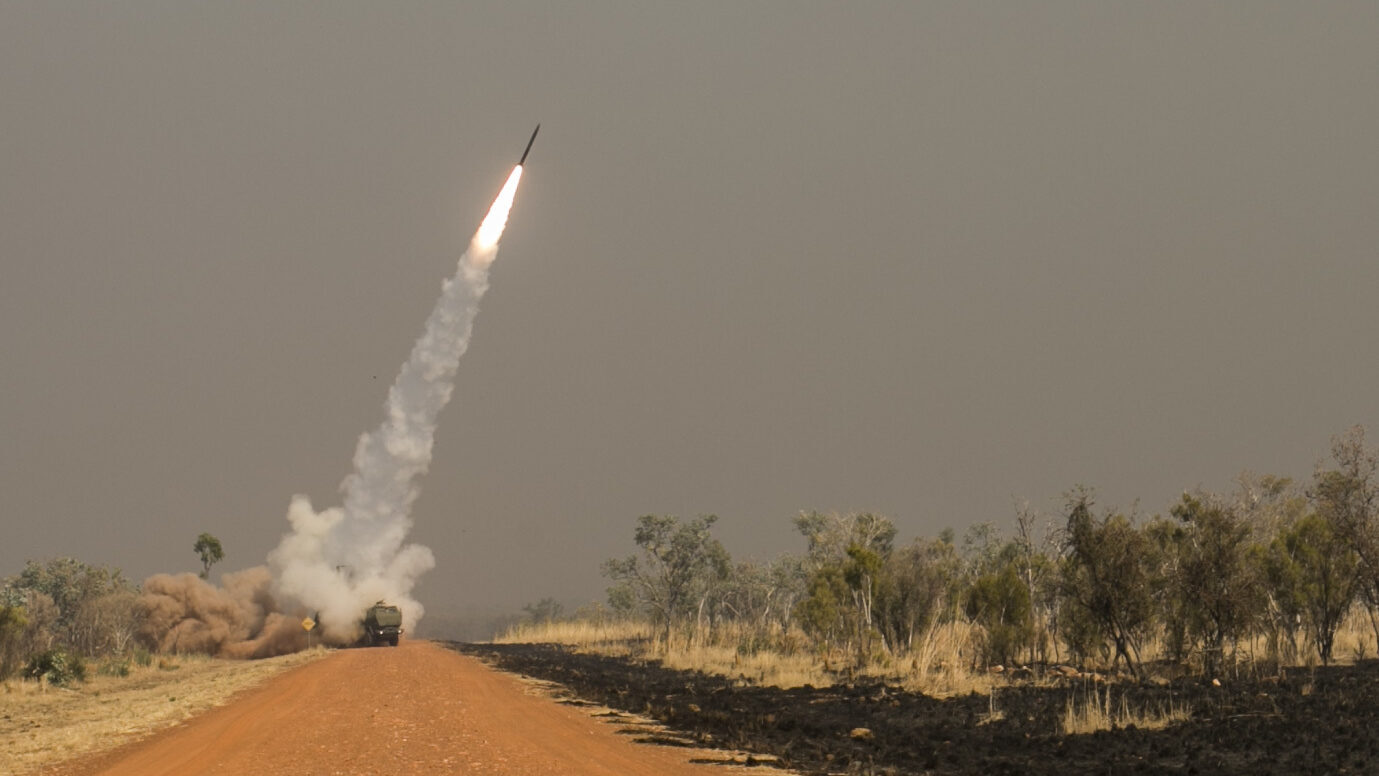
“We are going to make sure that we have security of supply, both in the United States and abroad, for the things that we need to be successful, and we are going to make investments to do that,” said Tim Cahill, executive vice president of Lockheed’s missiles and fire control unit.
"We have seen today groundbreaking discussions in respect of a much greater collaboration between our defense industry bases, particular in respect of the manufacture of guided weapons in Australia," Australian Defence Minister Richard Marles said.


Blending superior optics, advanced stabilization and AI-powered autonomy in a compact and rugged system, ASELFLIR 600 delivers unmatched intelligence, surveillance and reconnaissance (ISR) capabilities.
Despite L3Harris's investments in its Aerojet Rocketdyne subsidiary, "we are still struggling to get everything we need as a builder," said Tim Cahill, Lockheed's vice president of its missiles and fire control business.

The German and American defense firms joined forces on the project in 2023 to develop the system "as a solution for the growing demand for long-range rocket artillery."
Three four-star US Army generals this week weighed in with their opinions about finding the right balance between conventional and high-tech munitions - but the answers aren't easy.

“We structured both the GMLRS contract, and the PAC-3 contract to be able to convert them from one-year contracts [into] multi years. We didn't want to delay awarding the PAC-3, for example,” said Doug Bush.


Cybersecurity skills must evolve in near-real time as Zero Day threats continue and AI provides new challenges.
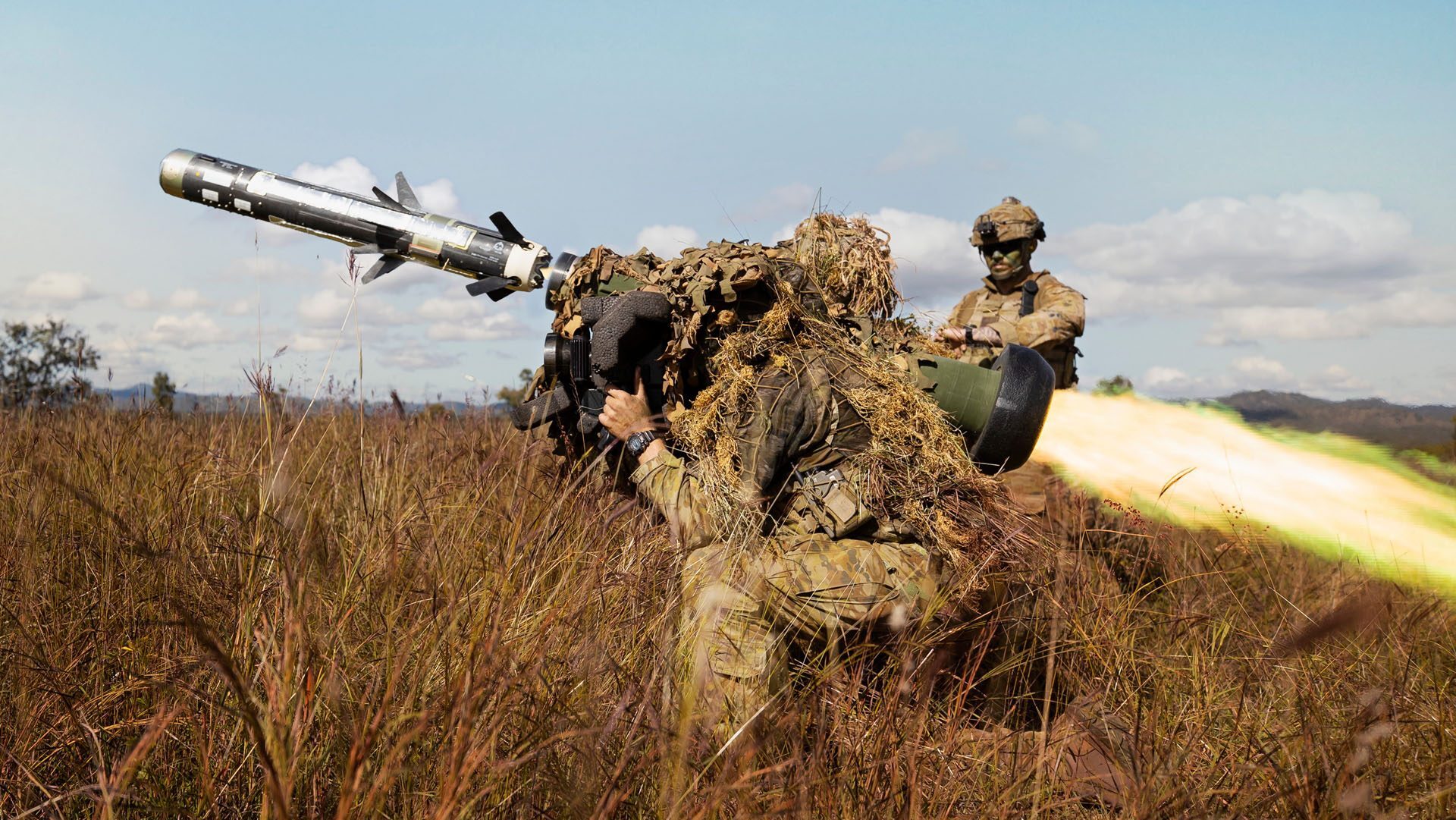
DoD officials and outside experts have been wringing their hands for the past year over the state of the US supply chain for solid rocket motor technology, as stocks of munitions and missile systems reliant on SRMs — such as the Army's Javelin shoulder-mounted anti-tank weapon, Guided Multiple Launch Rocket System (GMLRS), and Stinger missiles — have been depleted by sales to Kiev.

"This is a broad and in a way campaign-like approach to strengthening our own supply chain and enabling multiple sources, really for even beyond our company for our industry, which I think is important," Lockheed Martin CEO Jim Taiclet said of his firm's endeavor to field a new solid rocket motor supplier.

“Where we're headed is co-development, co-production, and co-sustainment with our partners,” said Undersecretary of Defense for Acquisition and Sustainment Bill LaPlante.
Australian defense minister Richard Marles hailed the deal as a "significant step forward" toward what he called "seamless" intelligence sharing.